Young Organic Growers Alliance Aotearoa
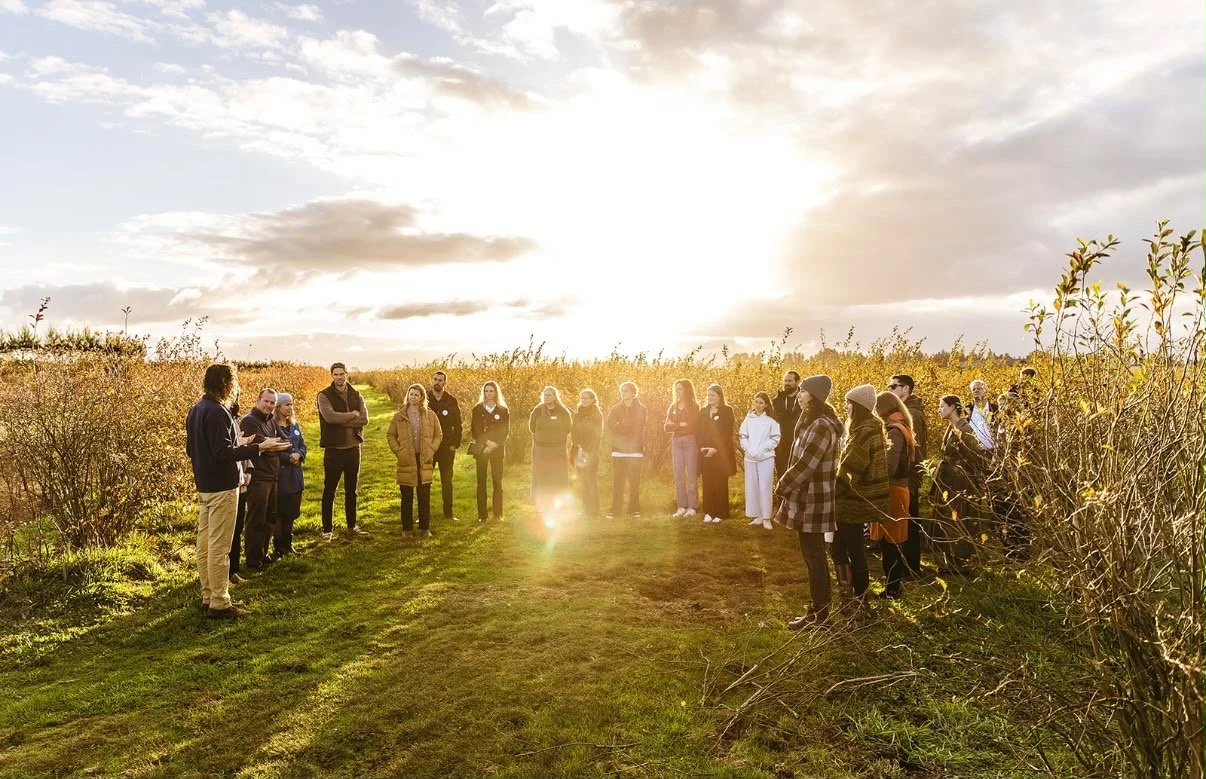
A fresh bunch of growers digging the foundations of a sustainably fed future.
Who We Are
Young Organic Growers Alliance Aotearoa (YOGAA) is an alliance of young organic growers focused on organic growing, championing the people doing it, and building a stronger, more connected community of growers across Aotearoa.
We believe in a holistic approach to growing — looking after soil, biodiversity, food and people, while farming without synthetic pesticides or genetic modification. We’re shaking up the traditional system and putting down roots for a sustainable food future.
Who Can join?
Are you a grower under 40 nurturing produce, crops or animals using organic principles? We want you to help us shape the future of food in Aotearoa! Sign up below to join the movement.
What’s So Hot about Organics?
Ever eaten a fat, sun-warmed tomato straight out of the garden and thought, damn that’s good?
If you haven’t, you’re missing out. But you’re here now.
We want everyone to experience that moment. We want everyone to eat jewel-red tomatoes, cabbages the size of their heads, corn so sweet it hurts your teeth, and apples that dribble juice down your chin. We want you to bite into something so good you stop and think, “Why doesn’t all food taste like this?”
We want everyone to eat produce grown in rich, black soil heaving with life. Because the soil feeds the plant before the plant feeds you. And there’s a lot of good stuff in soil.
Food is one of life’s great pleasures. It brings people together, makes memories, and, at its best, makes you feel fantastic.
So why settle for mediocre?
Life’s too short to eat a six-month-old floury apple. Life’s too short for tomatoes that taste like water and strawberries that never saw the sun.
So eat the good stuff. Drizzle good olive oil on it. Just try it — organic would look good on you.
So how do i Start?
-
Organic is a way of growing and producing food that works with nature rather than trying to overpower it.
Organic standards restrict or prohibit things like most synthetic fertilisers and pesticides, and genetic modification. Instead, organic farmers focus on building healthy, living soil, encouraging biodiversity and using natural systems to manage pests and disease.
Basically, we get really excited about worms.
-
There’s a lot more going on than just a fancy organic sticker.
Organic farming can be more labour-intensive, particularly when it comes to managing weeds, pests and soil fertility. Organic farmers also have to follow specific standards, keep detailed records and, if certified, pay for regular auditing and certification.
And organic farms generally produce on a smaller scale than industrial agriculture, which means they don't always get the same economies of scale.
-
Organic farming puts a big emphasis on healthy soil; and healthy soil is the foundation of healthy plants. When soil biology is thriving, plants are better able to access and build the nutrients they need. That’s part of why organic produce is grown with a focus on seasonality, freshness, and soil health rather than pushing maximum yield at all costs — and this considered approach truly does maximise the flavour of the produce.
-
Look for certified organic products at supermarkets, organic shops, farmers' markets, food co-ops and specialist retailers. If a product is labelled “certified organic”, it should be backed by recognised organic certification.
But here's the thing: not every small grower using organic growing practices is certified.
Certification provides valuable independent verification that a farm is meeting a defined organic standard — but certification can be a significant commitment, particularly for small-scale growers. Some market gardeners choose not to certify while still putting a huge amount of care into their soil, biodiversity, inputs and growing practices.
So if you're buying directly from a local grower, ask them how they grow. Ask about their soil, what they use for pest and disease management, and what goes into producing your food.
Get to know the person growing your vegetables. You might find they're growing some seriously good shit.
Certified organic? Look for the certification. Local grower? Ask questions. Either way, get to know your food.
-
It's not as simple as filling out a form and getting a shiny logo.
Organic certification means an independent certification body checks that a farm is actually following the required organic standards.
Farmers applying for certification need to document how they manage their farm — including things like soil, crops, inputs, pest and disease management and record keeping — and undergo assessment and auditing.
For many farms, becoming fully certified takes several years of demonstrated compliance. Under BioGro's current certification pathway for horticulture, for example, there is a minimum three-year conversion process before full certification.
So when you see a certified organic label, there's a whole lot of work behind those two words.
Organic Looks Good
on you: the campaign
We reckon looking and feeling good starts from the inside out.
Good food gives your body the good stuff it needs, and there’s growing evidence that what happens in your gut can influence what happens in your brain, too. And when that food comes from healthy, living soil? Well, we think that’s a pretty good place to start.
So we’re asking: How Does Organic Look Good On You?
Maybe it’s your farmers’ market haul turned into dinner. Your first strawberries of the season. Cooking with your mates. Getting your hands dirty in the garden.
Make a reel. Take a photo. Share your recipe. Show us your garden, your dinner table, your farmers’ market haul or your favourite local grower.
There are no rules. Just use the hashtag #OrganicLooksGoodOnYou and pass it on.
We want this thing to spread like nasturtiums — from growers to kitchens, gardens to dinner tables, until organic is less about certain labels and more about eating, feeling and living bloody well.